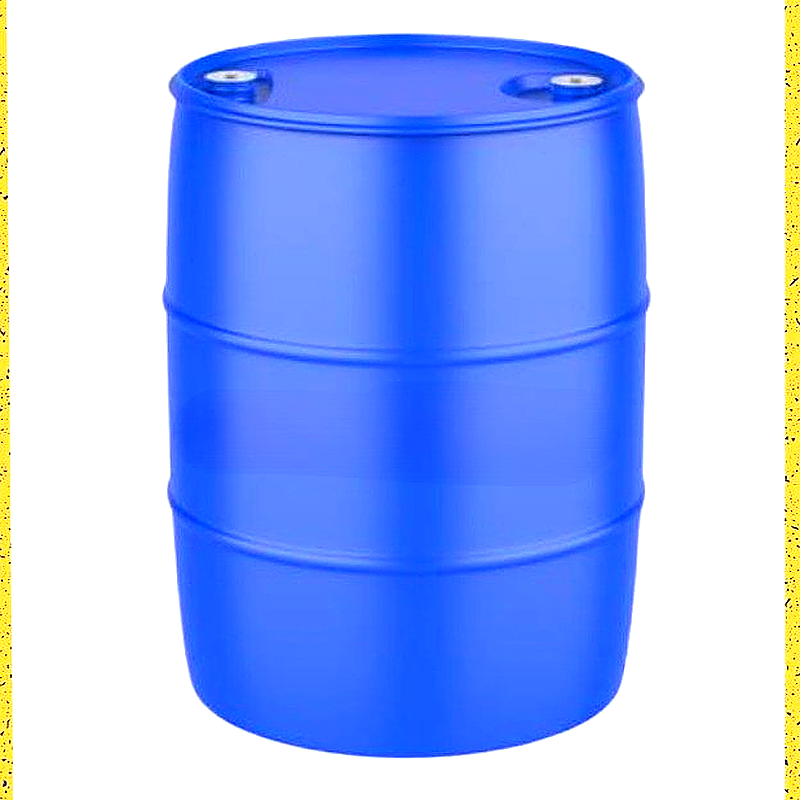
What is Chiller Ethylene Glycol?
Chiller Ethylene Glycol refers to industrial-grade Ethylene Glycol specifically formulated and supplied for use as a heat transfer fluid in chiller systems, HVAC installations, and industrial process cooling applications. Unlike automotive antifreeze, chiller glycol formulations are typically optimised with corrosion inhibitor packages suited to the metallurgy commonly found in industrial chiller systems, including steel, copper, and aluminium components.
Polychem Industries supplies Chiller Ethylene Glycol to HVAC contractors, industrial refrigeration companies, data centre cooling system operators, and process plants across India and internationally. Its primary function is to lower the freezing point of the circulating fluid in chiller loops, preventing freeze damage while maintaining efficient heat transfer in low-temperature cooling applications.
Available Grades
| Grade | Form | Purity | Standard | Applications |
|---|---|---|---|---|
| Industrial Coolant Grade | Clear liquid (typically dyed) | 95–99% glycol concentration (with inhibitors) | Industrial / HVAC | Chiller systems, HVAC, process cooling, refrigeration |
Applications & Uses
Industrial Chiller Systems
The primary application. Used as a heat transfer fluid in process chillers across manufacturing, pharmaceutical, food and beverage, and chemical processing industries, providing freeze protection in low-temperature cooling loops.
HVAC & Building Cooling Systems
Used in commercial and industrial HVAC chilled water systems, particularly in regions experiencing freezing temperatures, to prevent pipe and coil damage from freeze-up during cold weather shutdown periods.
Data Centre Cooling
Used in data centre cooling loops and precision cooling systems where reliable, consistent heat transfer performance is critical for maintaining server room temperatures and preventing equipment downtime.
Process Cooling Applications
Used in industrial process cooling applications including plastic injection moulding, laser cooling systems, and other manufacturing processes requiring precise temperature control of cooling water.
Cold Storage & Refrigeration
Used as a secondary refrigerant in cold storage facilities, ice rinks, and certain refrigeration systems where glycol-water solutions circulate to transfer heat without direct refrigerant exposure.
Solar Thermal Systems
Used in solar thermal heating systems as a heat transfer fluid that provides both freeze protection in cold climates and efficient heat transfer from solar collectors to the heating system.
Technical Specifications
Chiller Ethylene Glycol — Key Properties
Why Source Chiller Ethylene Glycol from Polychem Industries?
- Industrial coolant grade formulated for chiller and HVAC systems
- Available pre-mixed at common dilutions or as concentrate
- Certificate of Analysis and MSDS provided on request
- Reliable bulk supply for HVAC contractors and process plants
- Competitive pricing with year-round availability
- Export documentation experience for international shipments