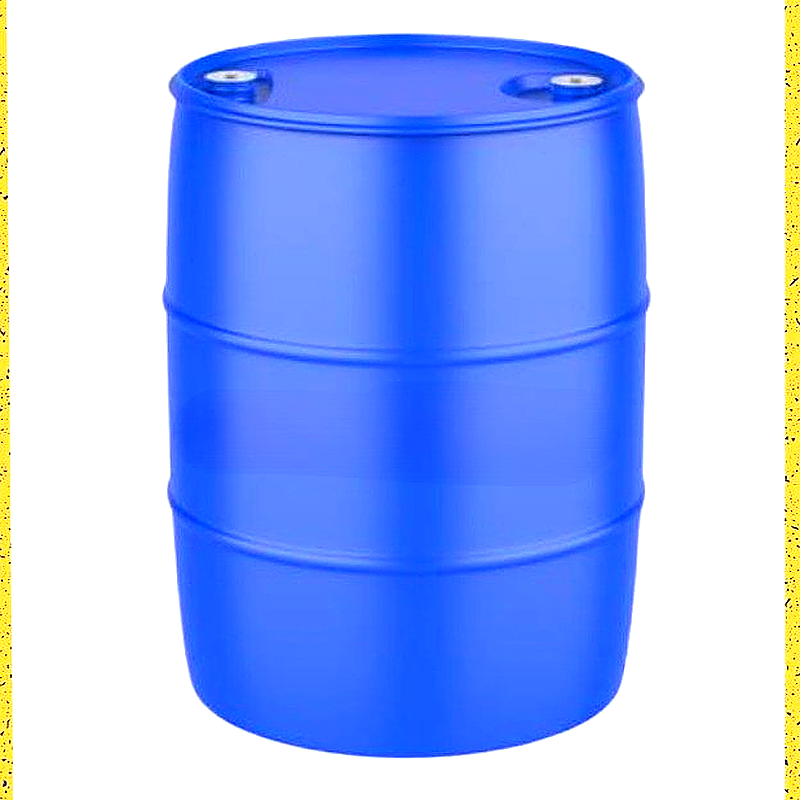
What is Mono Ethylene Glycol?
Mono Ethylene Glycol (MEG), commonly referred to simply as Ethylene Glycol, is a colourless, odourless, viscous liquid diol with the formula HOCH2CH2OH. It is fully miscible with water and is one of the most important industrial chemicals globally, serving as the foundational raw material for polyester fibre and PET resin production, as well as a key component in antifreeze and heat transfer fluids.
Polychem Industries supplies Mono Ethylene Glycol in industrial and fibre grades to automotive coolant manufacturers, polyester and PET producers, industrial heat transfer system operators, and chemical formulators across India and internationally. MEG's unique combination of freezing point depression, boiling point elevation, and chemical reactivity makes it indispensable across the automotive, textile, and packaging industries.
Available Grades
| Grade | Form | Purity | Standard | Applications |
|---|---|---|---|---|
| Industrial / Fibre Grade | Colourless liquid | 99.8%+ (Industrial / Fibre Grade) | Industrial | Antifreeze, coolants, PET resin, polyester fibre |
Applications & Uses
Antifreeze & Engine Coolant
The most recognised application. MEG is the primary active ingredient in automotive antifreeze and engine coolant formulations, lowering the freezing point and raising the boiling point of the coolant to protect engines in extreme temperatures.
Polyester Fibre Production
A key raw material in the production of polyester fibre (PET fibre) used in textiles, carpets, and non-woven fabrics. MEG reacts with terephthalic acid or dimethyl terephthalate to form the polyester polymer chain.
PET Resin for Packaging
Used in the production of PET (polyethylene terephthalate) resin for bottles, food packaging containers, and films. MEG is one of the two primary monomers (along with purified terephthalic acid) used in PET polymerisation.
Industrial Heat Transfer Fluids
Used as a heat transfer fluid in HVAC systems, solar thermal systems, and industrial cooling/heating applications where freeze protection and efficient heat transfer are required.
Chemical Intermediate
Used as a raw material and solvent in the production of various chemical products including unsaturated polyester resins, plasticisers, and other specialty chemical formulations.
Natural Gas Dehydration
Used in the natural gas industry as a hydrate inhibitor, preventing the formation of gas hydrates in pipelines during the transport and processing of natural gas, particularly in cold climates and offshore operations.
Technical Specifications
Mono Ethylene Glycol — Key Properties
Why Source Mono Ethylene Glycol from Polychem Industries?
- Industrial and Fibre Grade available with full quality documentation
- High purity (99.8%+) for polyester and PET resin applications
- Certificate of Analysis and MSDS provided on request
- Reliable bulk supply in drums, IBC tanks, and bulk tankers
- Competitive pricing with year-round availability
- Export documentation experience for international shipments